Support your body’s ability to heal itself
Peptides & Orthobiologics
Peptides are precision biological messengers— amino acid sequences that refine communication between the brain, gut, and metabolic systems, supporting appetite control, hormonal balance, and optimized body composition through targeted, physiologic pathways.
Peptides


Orthobiologics
Orthobiologics are tissue-derived compounds that occur naturally in our bodies. Made of complex carbohydrates, proteins, cells and glycoproteins, they are involved in tissue healing and regeneration. These compounds can help reduce inflammation and promote tissue healing when used in higher concentrations and targeted to a specific site of injury.
Orthobiologic compounds are being used in:
Tendon or ligament injury
Degenerative joint disease or arthritis
Fracture nonunions
Back pain from disc disease or facet arthritis
Platelet Rich Plasma
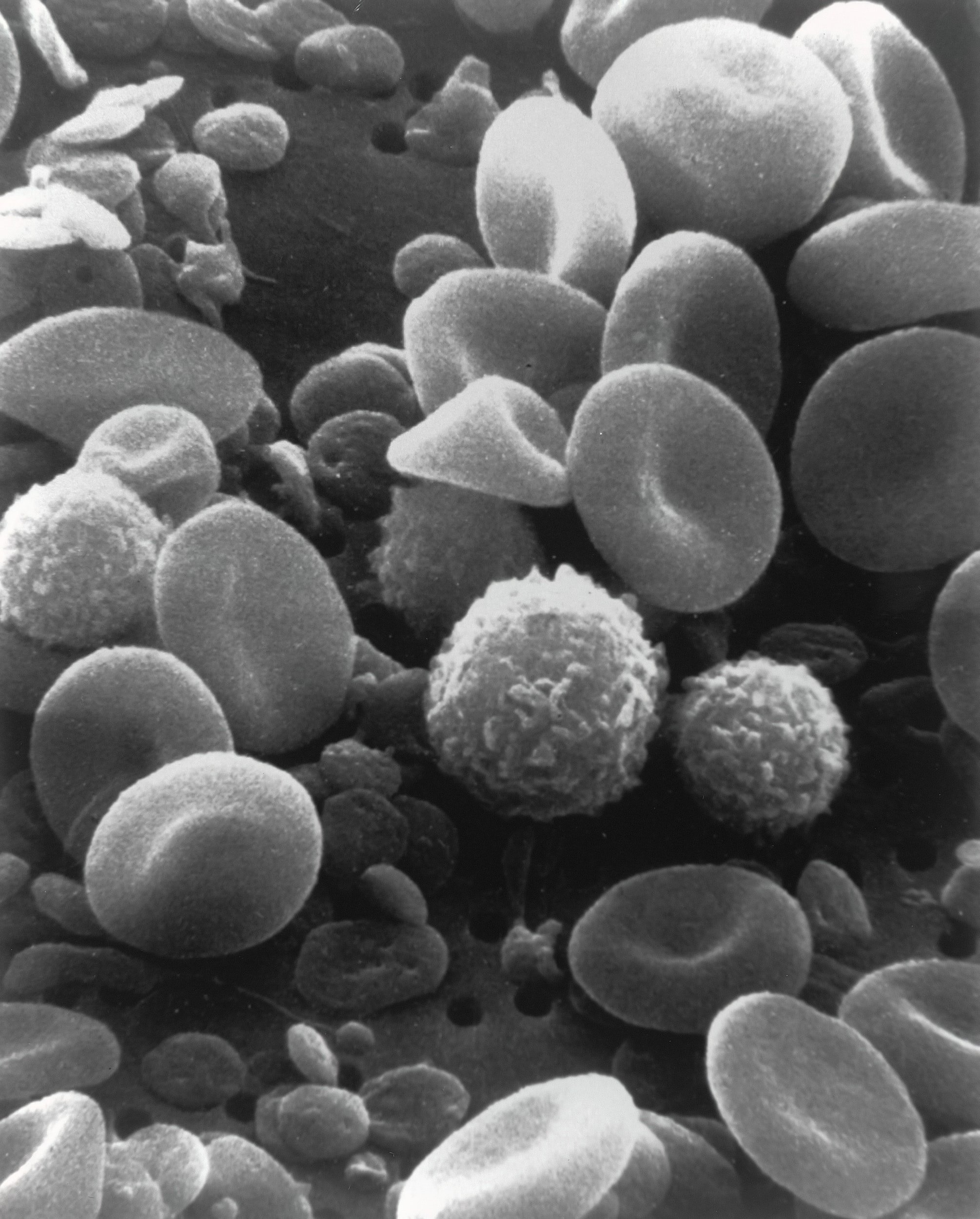
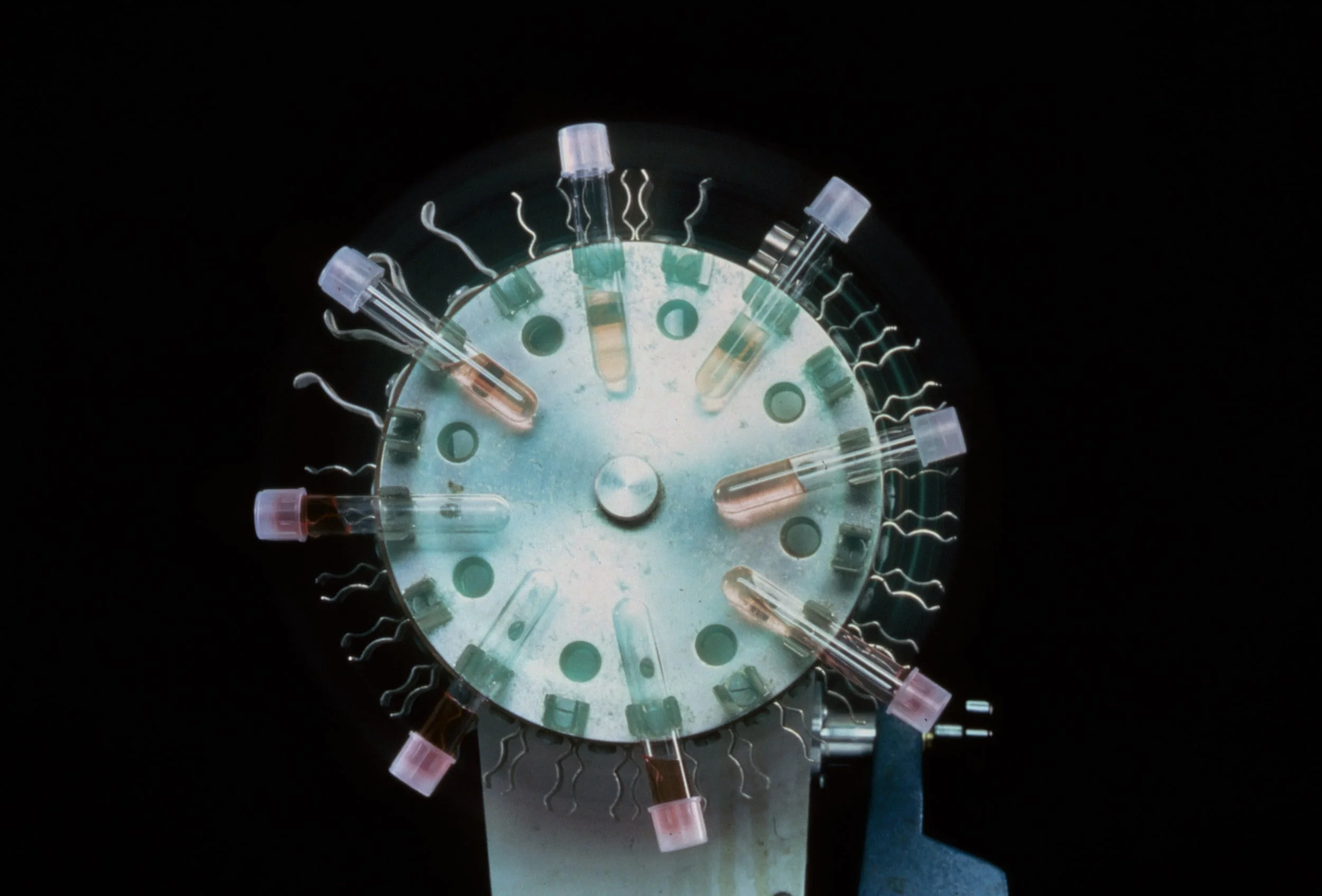
Platelet rich plasma or PRP is blood plasma that is enriched with autologous platelets with natural growth factors, containing up to 5x the normal concentration found in blood
Bone Marrow Aspirate Concentrate
Bone marrow aspirate concentrate (BMAC or BMC) is a preparation containing a patient’s own mesenchymal stem cells harvested from healthy bone marrow
FAQs
What is orthobiologics & regenerative medicine?
Orthobiologics & regenerative medicine is a field of medicine that uses biological treatments to repair and regenerate musculoskeletal tissue such as bone, cartilage, and tendons. These treatments may include the use of growth factors, cells, proteins, and other biological materials to promote healing and repair.
What types of injuries & conditions can be treated with orthobiologics?
Orthobiologics can be used to treat a wide range of musculoskeletal injuries and conditions, including bone fractures, osteoarthritis, tendinitis, ligament injuries, and cartilage defects.
Are there and risks or side effects associated with orthobiologic treatments?
As with any medical treatment, there are some risks and side effects associated with orthobiologic treatments. However, these treatments are generally considered safe. Potential side effects may include pain, swelling, or infection. Your doctor will discuss any potential risks and side effects with you before your treatment.
How long does it take for an orthobiologic treatment to work?
The length of time it takes for an orthobiologic treatment to work can vary depending on the type of treatment, the severity of the injury, and the individual's response. Some treatments, such as PRP therapy, may show results within a few weeks, while others may take several months to show improvement.
The number of treatment sessions needed can vary depending on the type of treatment, the severity of the injury, and the individual's response. Some patients may require only one treatment session, while others may need multiple treatments over time.
How do orthobiologic treatments compare to traditional surgical options?
Orthobiologic treatments may offer a less invasive option for some musculoskeletal injuries and conditions and may have a faster recovery time compared to traditional surgical options. However, the effectiveness of these treatments may be less predictable and more research is needed to fully understand its advantages over traditional surgery. It's important to discuss with your doctor which option is best for your specific situation.
What types of orthobiologic treatments are available?
There are many different kinds of orthobiologic compounds. In the U.S., some of the available treatment options include:
Platelet-rich plasma (PRP)
Bone marrow aspirate concentrate (BMC/BMAC)
Adipose-derived stem cells (ADSCs)